How to Choose the Best Wooden Executive Desk for Your Office?
Choosing the right Wooden Executive Desk for your office can significantly impact your productivity and presence. According to a recent report by the Office Furniture Manufacturer’s Association, over 70% of office workers believe that their workspace quality enhances their work effectiveness. With the right desk, you can create an environment that encourages focus and professionalism.
Expert Jim Loggins, a renowned furniture designer, states, “A well-chosen executive desk is not just furniture; it is a representation of your authority and style.” This insight highlights the importance of selecting a desk that not only fits your space but also aligns with your personal and professional identity.
When navigating the vast options, consider the quality of materials, ergonomic features, and design. A Wooden Executive Desk should complement your office aesthetics while providing durable support for your daily tasks. Each detail matters; from wood grain to finish, these choices reflect your commitments. Achieving the perfect balance may require evaluation and reflection on your needs and preferences.
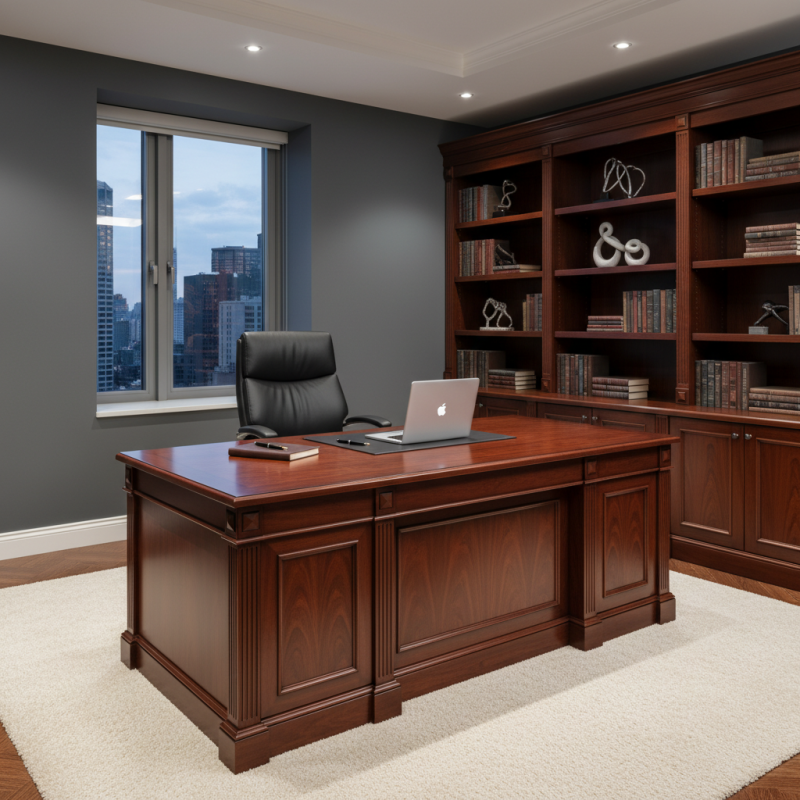
Understanding the Importance of Desk Material in Executive Offices
When selecting an executive desk, the material speaks volumes about professionalism. Wooden desks add a classic appeal that enhances the atmosphere of an office. They convey warmth, stability, and a connection to tradition. However, not all wood varieties are equal. Understanding the differences can transform your workspace significantly.
Hardwoods like oak and maple offer durability and longevity. They resist scratches and wear, making them ideal for high-traffic offices. However, some may find them too heavy or expensive. Softer woods like pine can be cost-effective. But they may not endure the test of time. Carefully weigh these factors based on your office needs.
The finish on a wooden desk matters as well. A well-applied finish protects the wood and elevates its aesthetic. Yet, finding the right balance between beauty and practicality is challenging. Reflect on how you wish to present your office and consider the desk material’s impact on your brand's image. Understanding these nuances is essential for making an informed choice that aligns with your executive environment.
Key Features to Consider When Selecting a Wooden Executive Desk
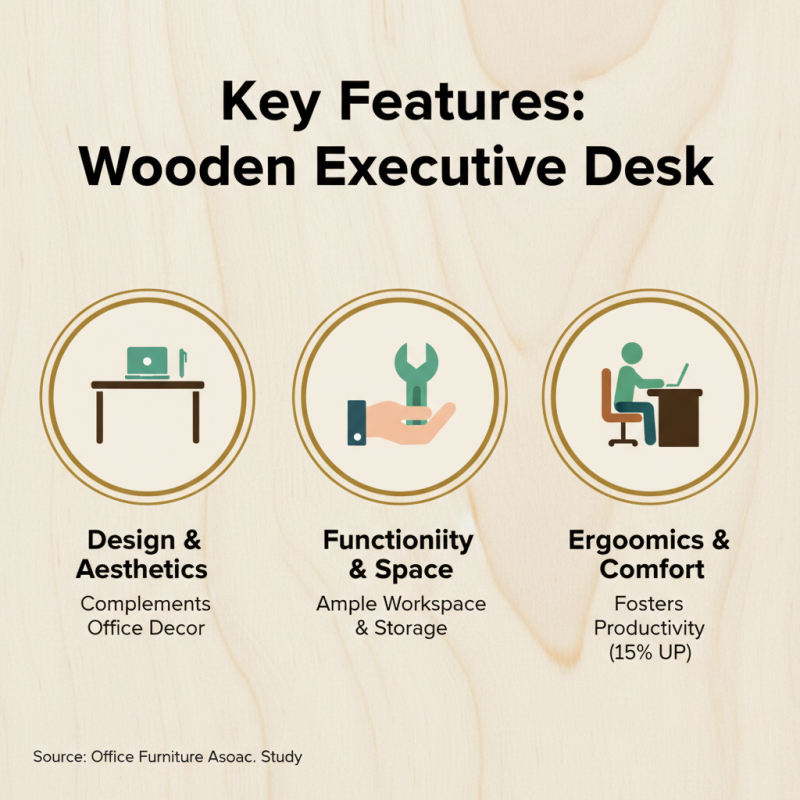
When selecting a wooden executive desk, consider its design and functionality. A desk should complement the office's aesthetics while providing adequate working space. According to a study by The Office Furniture Association, ergonomically designed desks can improve productivity by 15%. This highlights the importance of choosing a desk that not only looks good but also fosters comfort during long hours of work.
Another crucial feature is material quality. Solid wood desks, although often pricier, offer durability and longevity. They exhibit a timeless appeal, which can be pivotal in creating a professional image. Research shows that nearly 70% of executives prefer wooden furniture for its stability and aesthetic value. However, it’s essential to assess the type of wood used. Less durable materials can lead to frequent replacements, undermining cost-effectiveness in the long run.
Additionally, storage options play a significant role. A desk with built-in drawers or shelves helps keep the workspace organized. A clutter-free desk can enhance focus and efficiency. Many professionals overlook this aspect, leading to chaotic work environments. Ultimately, choosing the right wooden executive desk should reflect personal needs and office functionality while supporting a productive atmosphere.
Comparative Analysis: Solid Wood vs. Veneer for Durability and Aesthetics
When choosing a wooden executive desk, it's essential to consider
durability and aesthetics. Solid wood desks are renowned
for their robustness. They can last for decades with proper care. The natural beauty of hardwood adds
warmth to any office space. Each piece has unique grain patterns, enhancing its visual appeal. However,
solid wood can be quite heavy. Moving them is a challenge. They may also require regular
maintenance to avoid scratches and stains.
On the other hand, veneer desks offer a different set of benefits. Veneered surfaces provide a
polished look at a lower cost. They are often lighter, making them easier to rearrange. However, the
durability can be questionable. Veneer may chip or peel,
especially when exposed to moisture. Aesthetically, high-quality veneer can imitate solid wood
convincingly. It can be challenging to differentiate between the two at first glance. But here's the
catch—veneer lacks the same longevity as solid wood.
In conclusion, choosing between solid wood and veneer desks depends on your priorities.
Reflect on how you use your desk. If you value durability and timeless
charm, solid wood might be your best bet. However, if cost and easy mobility are crucial, consider
veneer. Each option has its drawbacks. Weigh them against your specific needs for a
well-informed decision.
Trends in Office Furniture: The Rise of Ergonomics in Executive Desks
The rise of ergonomics in executive desks marks a significant shift in office furniture trends. Modern offices prioritize employee well-being, understanding that comfort influences productivity. Ergonomic desks improve posture, reduce strain, and create a more inviting workspace. Adjustable height features allow users to switch between sitting and standing, which promotes better blood circulation and reduces fatigue.
Choosing the right ergonomic desk involves understanding individual needs. Not everyone requires the same height or features. Some might prefer a minimalistic design, while others need a spacious surface for multiple monitors. It's essential to consider the dimensions of your office space. A desk that looks great but offers poor support may lead to discomfort.
Many still overlook the importance of good ergonomics. It's easy to get drawn to aesthetics and forget functionality. Finding a balance is crucial. A beautiful desk that lacks ergonomic features may provide short-term satisfaction but could lead to long-term issues. Investing in a quality ergonomic desk ensures both a stylish appearance and a supportive work environment.
Ergonomic Features in Executive Desks
This chart illustrates the importance of various ergonomic features in executive desks, rating them on a scale from 1 to 10 based on user preferences. As seen, adjustable height and material quality are highly valued, reflecting current trends in office ergonomics.
Budgeting for Quality: Investing in a Long-Term Wooden Executive Desk
Investing in a quality wooden executive desk is essential for creating a productive workspace. A well-crafted desk can enhance your office's aesthetic and functionality. When budgeting for such a desk, consider the materials and craftsmanship involved. Solid wood is typically more durable than particle board. It withstands wear and tear better over time.
When you invest in quality, you often pay upfront. However, a durable desk can last for decades, making it a wise long-term investment. Think about how a sturdy desk can provide comfort and support. Ergonomics play a crucial role in your daily work life. A desk that fits your needs can improve your posture and focus.
Research different styles and finishes to find what resonates with you. Sometimes, the most beautiful designs are not the most practical. Reflect on your specific needs. A desk with ample storage can help manage clutter efficiently. Additionally, always inspect the craftsmanship and joinery before purchasing. Sometimes, a perfect look may conceal flaws. Choosing wisely will ultimately align your budget with your long-term goals.



 +8618702197143