How to Choose Solid Wood Furniture for Your Home?
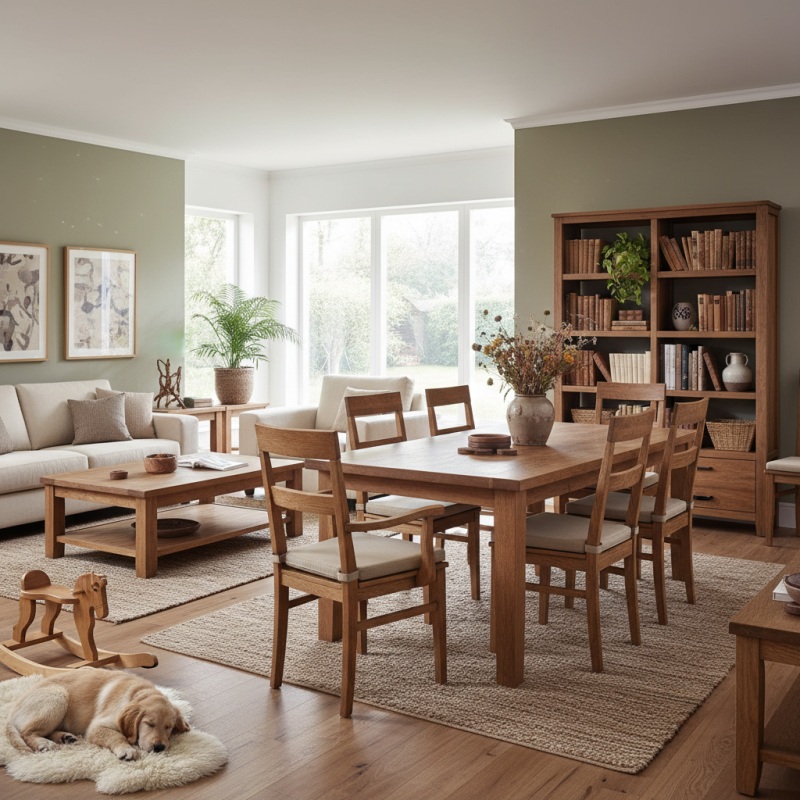
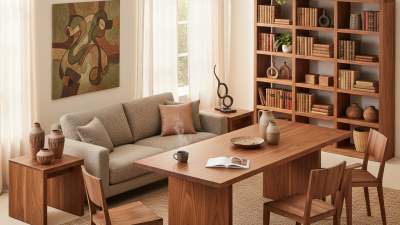
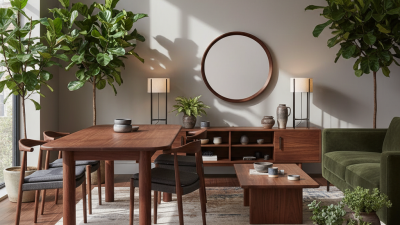
When choosing Solid Wood Furniture for your home, it’s important to consider both aesthetics and functionality. Solid wood pieces add warmth and character to any space. Whether you're looking for a sturdy dining table or a stylish bookshelf, the choices are vast.
Many people overlook the importance of quality craftsmanship. Not all solid wood furniture is made the same. Some may contain flaws that compromise their durability. Pay attention to joints and finishes. Look for pieces that have stood the test of time, but remember, imperfections can make a statement too.
Additionally, consider the wood type. Hardwoods like oak and walnut are durable but might be costly. Softer options, like pine, offer charm but can show wear. Reflecting on your lifestyle is crucial. Do you have small children or pets? Anticipating the future can guide your purchase choices in solid wood furniture.
Understanding the Benefits of Solid Wood Furniture for Your Home
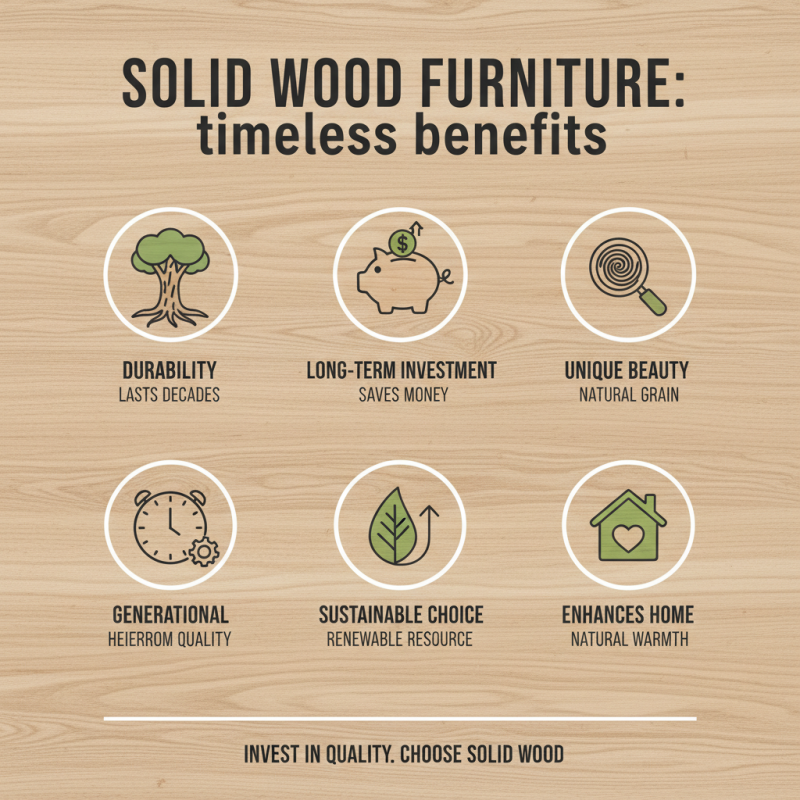
When choosing solid wood furniture, you should understand its many benefits. Solid wood is durable. It can last for decades, even generations. This longevity makes it a worthwhile investment. You won’t need to replace it often, saving money over time. The unique grain patterns also add a touch of beauty to your home. Each piece is one-of-a-kind, telling its own story.
Solid wood furniture is not just durable; it’s also sustainable. Many hardwoods are sourced responsibly. This consideration helps preserve forests for future generations. Furthermore, solid wood maintains a natural look that complements various styles. It can blend seamlessly with both modern and traditional decor. However, it's important to care for solid wood properly. Moisture can cause warping, and direct sunlight can fade the finish.
In selecting solid wood, pay attention to the type of wood used. Some softwoods may dent easily, while hardwoods resist wear better. It’s essential to assess your climate too. High humidity can affect solid wood differently than a dry environment. This aspect often goes unnoticed but can be critical for the piece’s longevity. Each selection needs careful thought and a bit of trial and error. Embrace the process, and you might find your perfect piece.
Identifying Different Types of Solid Wood Used in Furniture
When selecting solid wood furniture, understanding the types of wood is essential. Different woods have unique properties. For instance, oak is known for its durability, making it ideal for heavy-use items like tables and chairs. Its distinct grain adds character to any piece. Pine, on the other hand, offers a softer feel and a lighter color palette. It’s often less expensive and great for rustic designs, but it can dent easily.
Hardwoods like mahogany and cherry are another choice. They age beautifully and develop a rich patina over time. Yet, these woods may come at a higher cost. Consider the environment too; some woods are sustainably sourced. Always check that the wood aligns with your values. Visibility of imperfections like knots can tell a story and add charm, but might not suit everyone's taste. If sustainability is important, researching wood origins is a must.
Types of Solid Wood Used in Furniture
Evaluating Quality and Craftsmanship in Solid Wood Furniture
When selecting solid wood furniture, the quality and craftsmanship are paramount. Look closely at the joints. Dovetail or mortise-and-tenon joints indicate superior craftsmanship. Avoid pieces with merely glued joints. A well-crafted piece feels solid and sturdy. Test the drawers; they should open and close smoothly.
Tips: Always check for scratches or dents. Even small imperfections can indicate poor handling. Don’t shy away from asking about the wood’s origin. Knowledge of sustainability can reflect a brand's values.
Next, examine the finish. A good finish enhances wood’s natural beauty without hiding it. It shouldn’t be sticky or overly glossy. If it feels like plastic, reconsider your choice. Each layer of finish should protect the wood while allowing it to breathe.
Additionally, consider the weight of the furniture. Heavier items often use solid wood rather than particleboard. It’s easier to reflect on your needs with weight in mind. Each piece should resonate with your home’s vibe and tell a story. Choose furniture that connects with you, even if it's not perfect.
How to Choose Solid Wood Furniture for Your Home? - Evaluating Quality and Craftsmanship in Solid Wood Furniture
| Aspect |
Description |
Indicators of Quality |
| Wood Type |
Different species of wood have unique properties such as durability and appearance. |
Hardwoods (e.g., oak, maple) are often more durable than softwoods (e.g., pine). |
| Joinery |
The method of joining different pieces of wood together impacts strength and longevity. |
Dovetail and mortise-and-tenon joints are superior to use of staples or nails. |
| Finish |
The protective coating on the wood affects both aesthetics and durability. |
Natural oils and lacquers provide better protection than synthetic finishes. |
| Craftsmanship |
The skill level of the maker influences the overall build quality of the furniture. |
Look for attention to detail and proper alignment in the pieces. |
| Sustainability |
Ethical sourcing of wood and environmentally friendly practices contribute to quality. |
Certified sustainable wood is preferable for ecological considerations. |
| Warranty |
A good warranty reflects the manufacturer’s confidence in their product. |
Longer warranties typically indicate higher quality craftsmanship. |
Tips for Selecting the Right Style to Match Your Interior Decor
Choosing solid wood furniture for your home involves an eye for style and detail. Your interior decor should guide your selection.
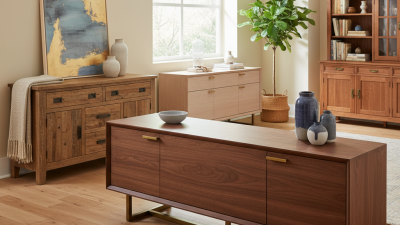
For a rustic aesthetic, look for unfinished wood with natural grains. Pieces with rough edges can add character. Pair these with neutral colors to create warmth.
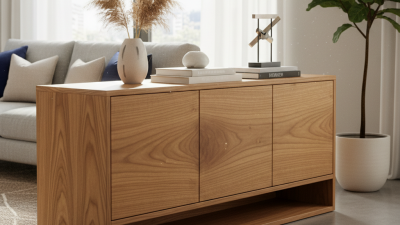
Consider modern designs if your home features a contemporary vibe. Clean lines and minimalistic shapes can enhance your space. Opt for lighter wood tones that reflect light and make the room feel airy. Don’t ignore the textures—smooth surfaces can balance the raw appeal of wood.
While selecting, think about scale. Large furniture can overwhelm a small room. Conversely, tiny pieces may get lost in spacious areas. Reflection is vital here.
Does the furniture feel like it belongs? It’s okay to mix styles, but look for common elements. Aim for pieces that resonate with you, even if they are not perfect. Trust your instincts.
Maintenance and Care for Longevity of Solid Wood Furniture
Maintaining solid wood furniture requires consistent care. Dust regularly with a soft, lint-free cloth. This prevents scratches and keeps shine intact. Be gentle; too much pressure can cause damage.
Humidity is crucial for wood. Low humidity can lead to cracks. Meanwhile, excessive moisture may warp the surface. Consider a humidifier in dry seasons. In humid climates, use desiccants to protect the wood.
Occasional polishing helps preserve its luster. Choose natural wax over chemical polish. Apply lightly, as over-polishing can dull the finish. Be attentive to scratches. Minor ones can be filled with a wood filler.
Nonetheless, mismatched colors may stand out. Reflect on each piece's unique journey and imperfections. Embrace the character it brings into your home.



 +8618702197143