10 Essential Tips for Maintaining Your Hardwood Table Top
Maintaining a Hardwood Table Top is both an art and a necessity. Expert woodworker John Smith emphasizes, "A well-cared-for table tells a story." These surfaces serve as the heart of our homes, where meals and memories are shared. Yet, many overlook the basic care needed to keep their tables looking beautiful.
Proper maintenance goes beyond mere dusting. It requires a thoughtful approach to cleaning and protecting the wood. Over time, moisture and heat can damage the finish. This often leads to visible wear and tear that can be frustrating. Regular upkeep can prevent these issues and extend the life of your hardwood table.
Many people assume that all surfaces are created equal, but that isn’t true. Each type of hardwood has its unique qualities and vulnerabilities. Without proper care, any table can lose its luster and character. Paying attention to simple routine maintenance can salvage both the appearance and lifespan of your beloved hardwood table top.
Understanding the Unique Characteristics of Hardwood Table Tops
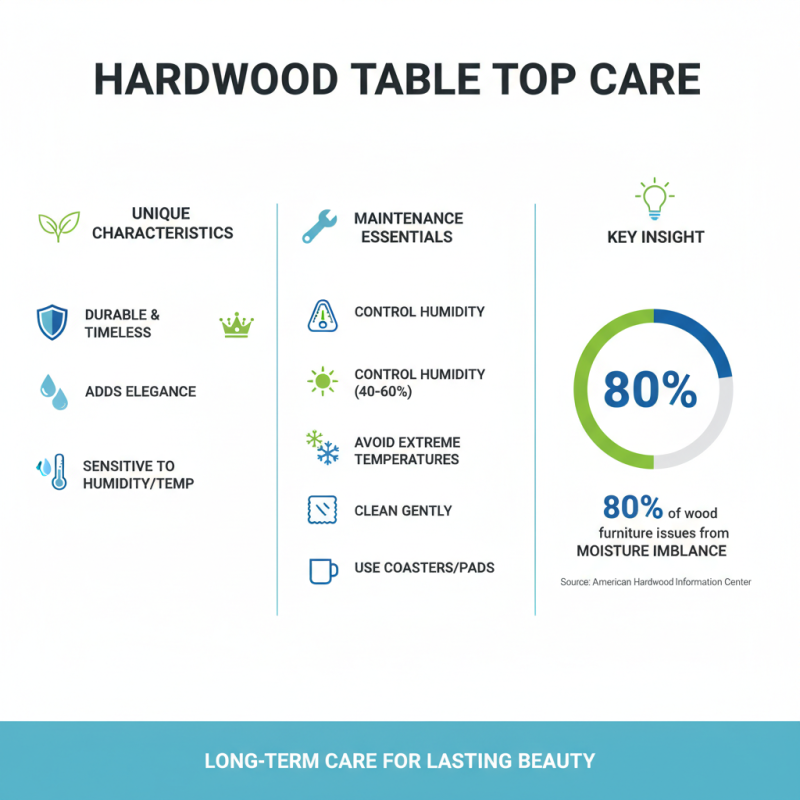
Hardwood table tops possess unique characteristics that require careful maintenance. They are durable and timeless, adding elegance to any space. However, they are also sensitive to humidity and temperature changes. According to a report by the American Hardwood Information Center, about 80% of issues with wood furniture stem from moisture imbalance. Understanding these factors is essential for long-term care.
One essential tip is to keep your table away from direct sunlight. Prolonged exposure can lead to fading and warping. Using curtains or placing your table in a shaded area can help preserve its natural beauty. Additionally, avoid using abrasive cleaners. They can scratch the surface and damage the finish. Instead, gently clean with a soft cloth and a mild soap solution.
Regularly apply a protective wax or finish to maintain that glossy look. It not only enhances the appearance but also provides a barrier against stains. Remember to check for minor scratches or dents, as they can worsen over time. Repairing them quickly helps retain the table's value and aesthetic. Keep these tips in mind for your hardwood table top, and remember: every piece of wood tells a story, and preserving that story requires effort.
Choosing the Right Cleaning Products for Your Hardwood Surface
Choosing the right cleaning products for your hardwood table top is crucial for its longevity. Many people overlook this step. Not every cleaner is suitable for hardwood surfaces. Some may even cause damage. For this reason, understanding the ingredients in your cleaning products matters.
Look for gentle, pH-balanced cleaners designed for wood. Avoid harsh chemicals like ammonia or bleach. These can strip the finish of your tabletop. Instead, mild soap mixed with water works well for daily cleaning. Remember not to soak the wood. Wipe it down with a damp cloth.
Also, consider the finish of your table. If it's oiled, you might need specific products to maintain its sheen. Some polishes promise shine but can create build-up. A simple white vinegar and water solution can help. It’s effective and cost-efficient. Just make sure to test any cleaner on a small, hidden area first. Feel free to adjust your routine based on your table's response. Sometimes, less is more when it comes to caring for your hardwood surfaces.
Establishing a Regular Maintenance Routine for Durability
Establishing a regular maintenance routine for your hardwood table top is crucial for its longevity. Dust and grime can accumulate quickly. Use a soft cloth or a microfiber duster to wipe the surface weekly. This small action prevents scratches and preserves the finish.
Every month, consider applying a wood conditioner. This nourishes the wood and enhances its natural beauty. It’s easy to forget, yet vital. Notice how the wood feels after conditioning. If it seems dry, you may need to increase the frequency.
Watch for water rings or stains. Even small spills can create long-term damage. Wipe them up immediately with a damp cloth, drying thoroughly after. Occasionally, it’s easy to overlook these details. Don't wait for a bigger issue to arise. The beauty of your hardwood lies in its upkeep.
Protecting Your Hardwood Table from Scratches and Dents
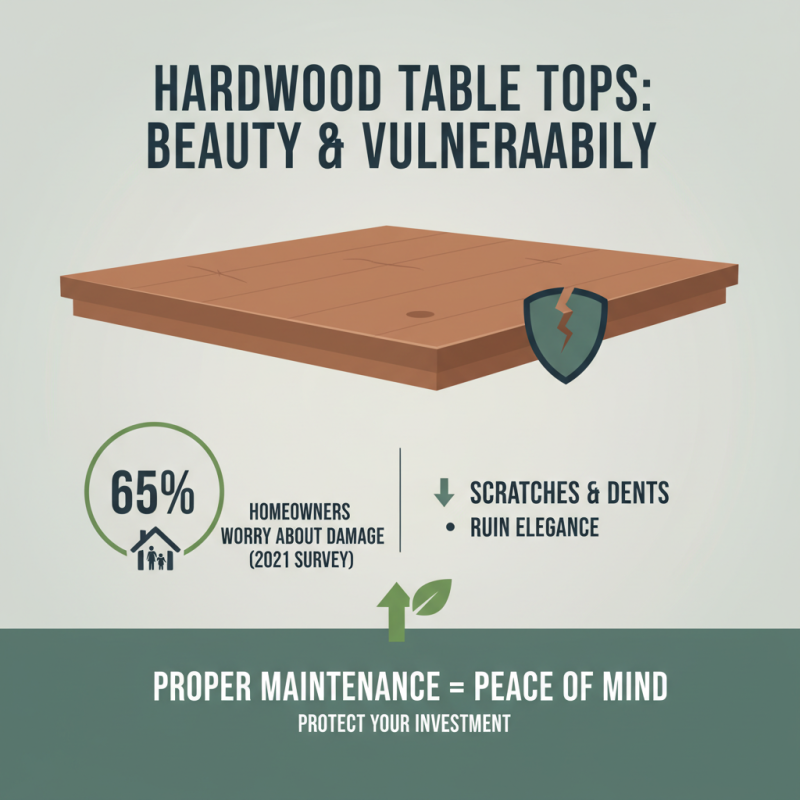
Hardwood table tops are beautiful but vulnerable. Scratches and dents can ruin their elegance. A 2021 survey by the Furniture Manufacturers Association found that 65% of homeowners worry about damaging their wooden furniture. This concern highlights the importance of proper maintenance.
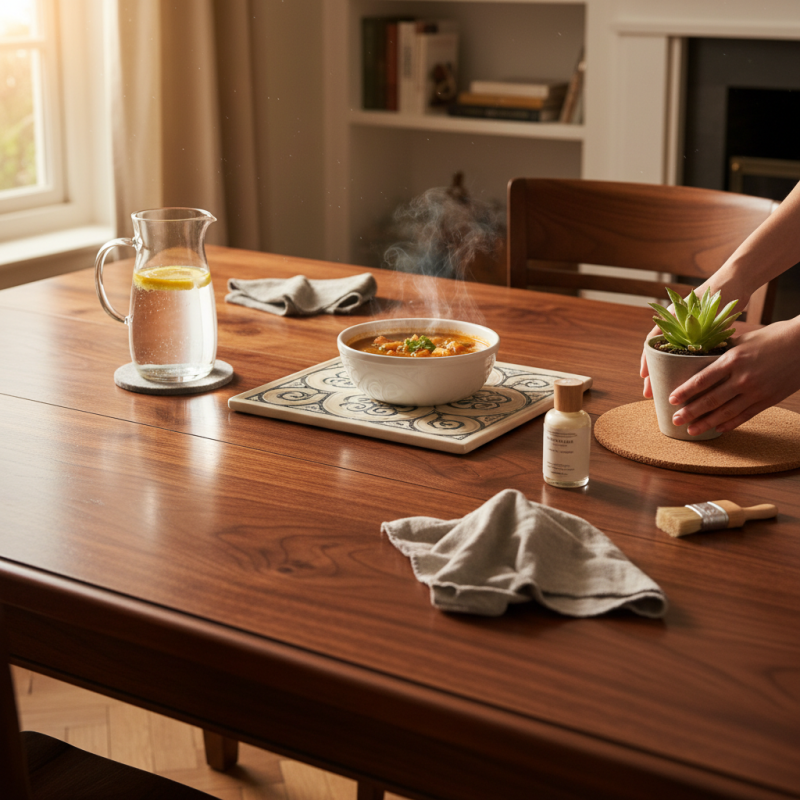
One effective tip is to use coasters. They prevent water rings, which can cause discoloration. Another helpful approach is to place felt pads under objects. This simple act can reduce the chance of scratches. Always be mindful when moving items. A sudden shift can cause a dent, leaving long-lasting marks.
Regular cleaning is crucial. Use a soft cloth for dust removal. Avoid harsh chemicals that can damage the finish. For deeper cleaning, a mild soap solution is recommended. Consider applying a protective wax every few months. This adds a layer of defense against everyday wear. However, if overused, wax can create a buildup that dulls the finish. Balance is key.
Lastly, be cautious with hot items. Placing a hot pot directly on wood can leave scorching impressions. Always use trivets or hot pads. Prevention is far easier than repair when it comes to these beautiful pieces.
Rejuvenating and Restoring Your Hardwood Table's Finish Over Time
Maintaining the finish of your hardwood table is essential for longevity. Over time, even the best-crafted tables can lose their luster. Scratches and stains may appear. A simple dusting is often overlooked but vital. Use a microfiber cloth to gently remove dirt. This action alone can help retain some of the original shine.
Once your table shows signs of wear, rejuvenation can begin. Consider using a wood conditioner. It penetrates the surface, restoring moisture. This helps prevent further damage, but proceed cautiously. Sometimes, applying too much can lead to a sticky residue. Test a small area first to gauge the effect.
If the finish is severely damaged, refinishing might be necessary. Sanding the surface can bring it back to life. However, this process is not without its challenges. Strip the old finish evenly to avoid uneven patches. A flawless finish can be hard to achieve. Embrace the imperfections; they tell a story. Over time, your hardwood table evolves, reflecting not just wear but cherished memories.



 +8618702197143