What is Solid Wood Furniture and Why Choose It?
Solid Wood Furniture has gained significant traction in the furniture industry. A report by Grand View Research indicates that the solid wood furniture market is projected to reach $95 billion by 2025. This growth stems from an increasing consumer preference for quality and sustainability. Shoppers are now prioritizing pieces that embody durability and craftsmanship.
Many consider Solid Wood Furniture a wise investment. Unlike cheaper alternatives, solid wood often lasts for generations. Its unique grains and textures mean each piece tells a story. However, the initial cost can be higher, leading some to question its value. Yet, over time, the long-lasting nature can outweigh upfront expenses.
Choosing Solid Wood Furniture can reflect one’s commitment to sustainability. The European Forest Institute reports that sustainably sourced wood can enhance biodiversity. However, not all solid wood is environmentally friendly. Consumers need to be vigilant about sourcing practices. Ultimately, Solid Wood Furniture offers an appealing blend of beauty, strength, and ethical responsibility, but careful consideration is essential.
What is Solid Wood Furniture: A Comprehensive Overview
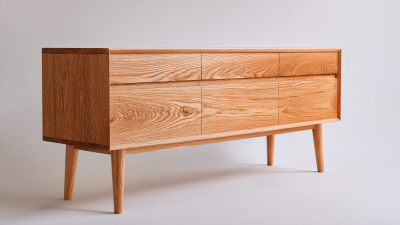
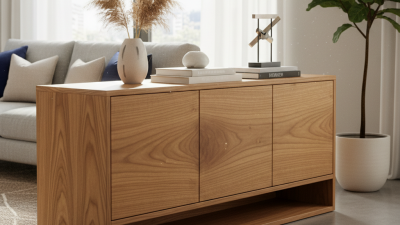
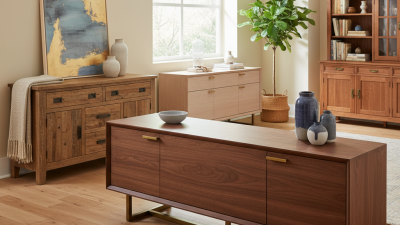
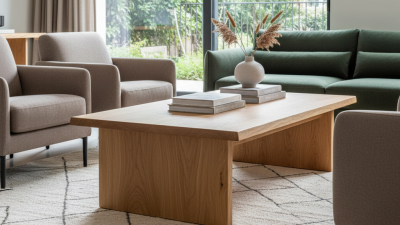
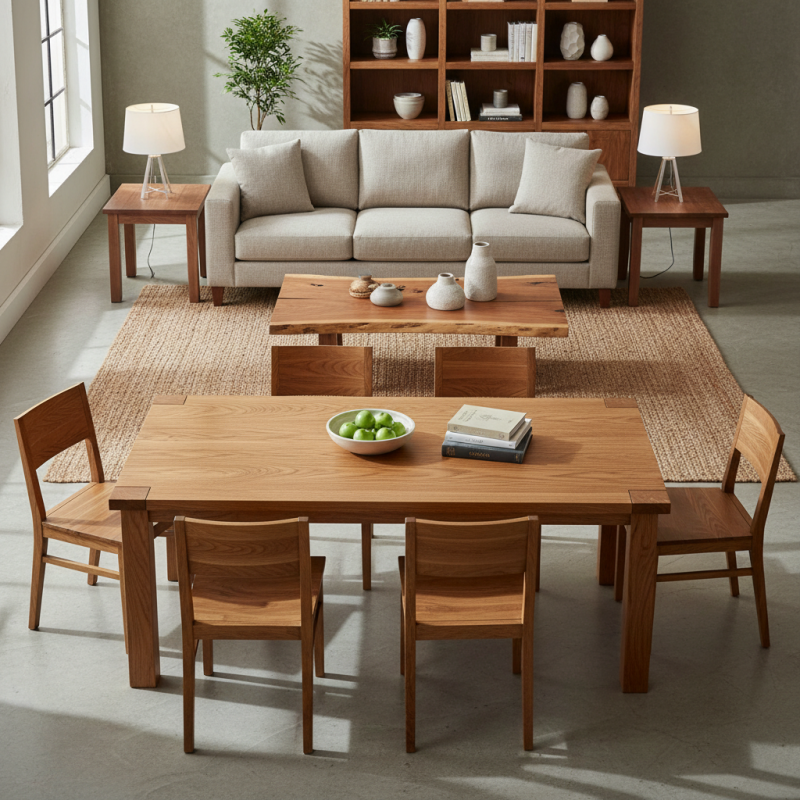
Solid wood furniture is crafted from solid wood, rather than composite materials. This gives it a unique charm and durability that many furniture types lack. The rich textures and natural beauty of solid wood can instantly enhance any space. You will often find intricate grain patterns that tell a story, making each piece truly one of a kind.
Choosing solid wood furniture comes with its own set of considerations. On one hand, it is exceptionally strong and can withstand years of use. However, it is crucial to maintain it properly to avoid scratches and water damage. Occasionally, solid wood can warp under extreme humidity. Investing in quality maintenance can help to safeguard your furniture's integrity.
Furthermore, solid wood furniture can be relatively more expensive compared to alternatives. This may lead some to question if it is worth the investment. While the initial cost may feel high, the longevity and timeless style often justify the price. In the long run, solid wood pieces can be more economical, as they do not need frequent replacements.
Characteristics of Solid Wood Furniture: Strength and Durability
Solid wood furniture stands out due to its exceptional strength and durability. Unlike engineered wood or particleboard, solid wood consists of natural lumber. This gives it a unique appeal. According to the Wood Furniture Scorecard, solid wood furniture can last over 25 years with proper care. This durability makes it a sensible investment for many households.
Solid wood is less likely to warp or crack. It responds well to humidity changes, making it a reliable choice for various climates. Reports suggest solid wood can hold significant weight without bending. This characteristic makes it ideal for heavy items like books or decorative pieces. However, it's vital to consider maintenance. Wood may require occasional polishing or conditioning to maintain its luster.
Tip: To keep your solid wood furniture looking its best, avoid placing it in direct sunlight. Sunlight can fade the wood’s color over time. Regular cleaning with a soft cloth can help preserve its finish. Remember, choosing the right wood is important. Different species offer varying levels of strength and aesthetic appeal. Always research the type of wood that fits your needs.
What is Solid Wood Furniture and Why Choose It? - Characteristics of Solid Wood Furniture: Strength and Durability
| Characteristic |
Description |
Benefits |
| Material Quality |
Made from solid wood, which is sourced from trees. |
Offers a natural aesthetic and enhances any space. |
| Strength |
Solid wood is typically denser and more robust than other materials. |
Can withstand heavy use without damage. |
| Durability |
Resistant to wear and tear; can last for generations if maintained properly. |
Represents a long-term investment for furniture. |
| Aesthetic Appeal |
Each piece is unique due to the natural variations in the wood grain. |
Enhances the beauty of any interior décor. |
| Ease of Repair |
Can be refinished or repaired more easily than synthetic materials. |
Maintains its appearance and functionality over time. |
| Sustainability |
Sourced from responsibly managed forests; eco-friendly options available. |
Supports environmental sustainability and responsible consumption. |
Benefits of Choosing Solid Wood Furniture for Your Home
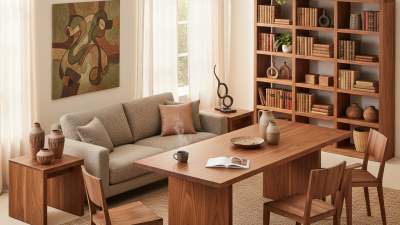
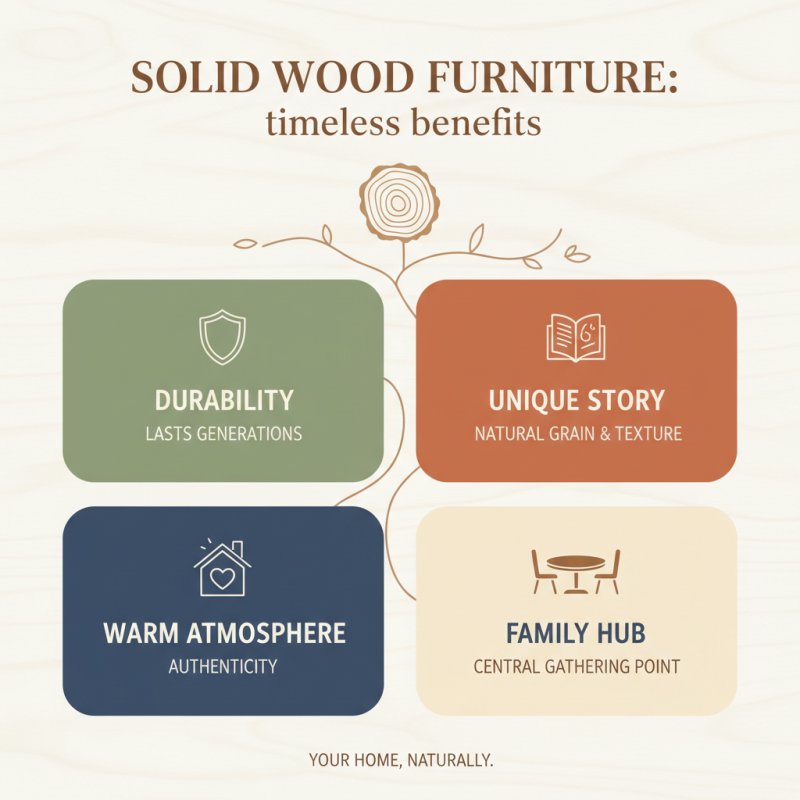
Choosing solid wood furniture offers numerous benefits for your home. Solid wood is durable and can last for generations. Each piece tells a unique story with its natural grain and texture. This authenticity fosters a warm atmosphere in any room. A solid wood table can be a central gathering point for family meals.
Unlike engineered woods, solid wood has a distinct character. It ages beautifully, developing a rich patina over time. However, it does require care. Regular polishing helps maintain its luster and strength. Some may hesitate due to the higher cost initially. But in the long run, its longevity makes it a wise investment.
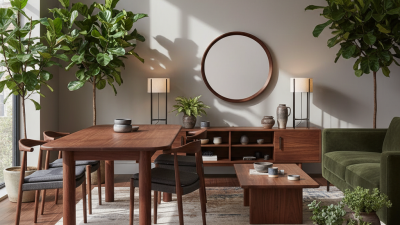
Solid wood furniture can complement different styles. It fits rustic, modern, or classic decors. The variety in woods—from oak to walnut—offers numerous choices. While it’s essential to choose a finish that aligns with your vision, the imperfections in wood add character too. A slight knot or grain variation often sparks conversation, reminding us that true beauty lies in uniqueness.
Comparing Solid Wood Furniture to Other Materials
When comparing solid wood furniture to other materials, several key aspects emerge. Solid wood is known for its durability and timeless appeal. Reports show that solid wood furniture can last over 25 years with proper care. In contrast, particle board or MDF typically has a lifespan of only 5 to 10 years. These differences underline the long-term value of investing in solid wood.
Another point of comparison is environmental impact. Solid wood furniture often comes from sustainably managed forests. According to industry data, responsibly sourced wood can have a lower carbon footprint than synthetic alternatives. However, consumers need to be cautious; not all wood is certified. Inspecting for sustainable certifications is essential to making an informed choice.
Aesthetic qualities also set solid wood apart. The natural grains and textures provide a unique charm. Many buyers appreciate this individuality. However, wood can warp or crack in extreme conditions, and maintenance is required. Refinishing may be needed to preserve its beauty, which some may see as a drawback. Still, the character solid wood develops over time often outweighs these maintenance challenges.
Comparison of Solid Wood Furniture to Other Materials
Maintenance Tips for Solid Wood Furniture Longevity
Solid wood furniture is not just an aesthetic choice. It demands attention. Proper maintenance is key to ensuring its longevity. Regular dusting with a soft cloth keeps the surface clean. Always wipe spills immediately to prevent stains. Water can easily warp wood if left unattended.
Consider using furniture polish occasionally. This can nourish the wood and maintain its finish. However, avoid overusing products; too much residue can dull its natural beauty. Protective coasters are a must. They prevent drink rings and scratches.
Direct sunlight can fade the color over time. Rotate furniture placements if possible. This helps avoid uneven wear. Review your wood’s specific needs. Different types of wood may require unique care. Each piece may have its quirks, forcing you to adapt. Embrace these imperfections. They tell a story.



 +8618702197143